

Second-hand
Used laboratory glassware, inspected before it is listed
Borosilicate glass does not wear out. When a laboratory closes or changes direction, perfectly serviceable apparatus goes spare — we take it in, check it, and pass it on at a fraction of the price of new.
In stock now
What we currently have
Stock is genuinely limited and changes as pieces sell. Quantities are shown on each product page.
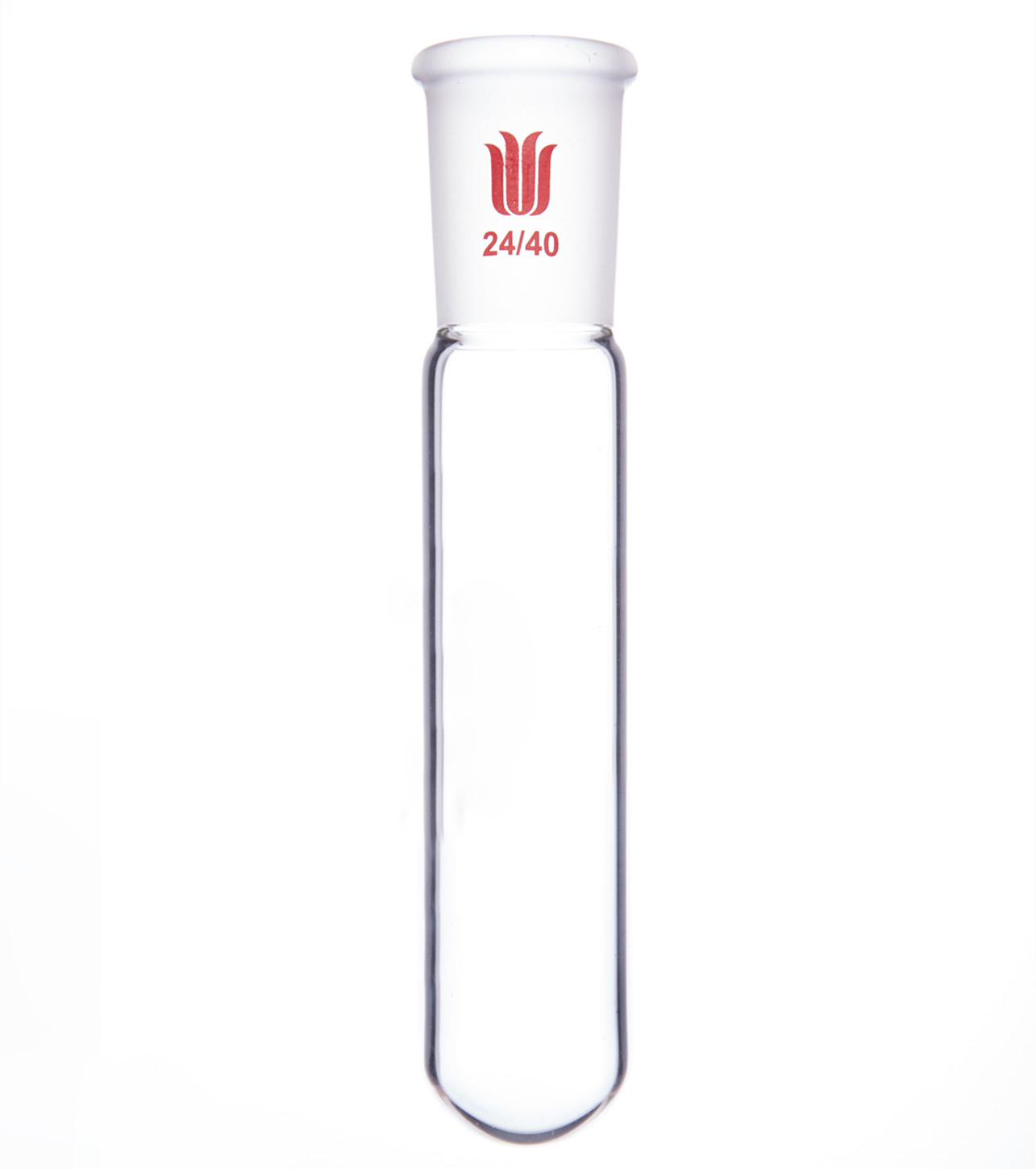 FlasksRound bottom, three-neck, pear, recovery, volumetric, Büchner · from €5
 CondensersLiebig and Allihn, 160–250 mm · from €14
 AdaptersVacuum receiver, cow receiver, four-way Claisen · from €11
 Separating funnelsPTFE stopcock, 250 and 500 ml · from €13
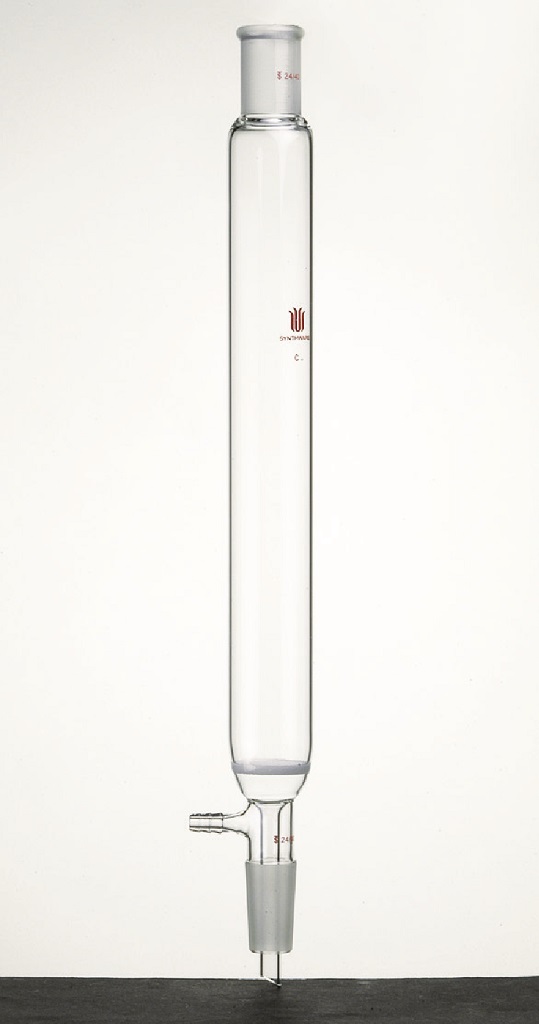 ColumnsSeparatory column with 500 ml reservoir · €39
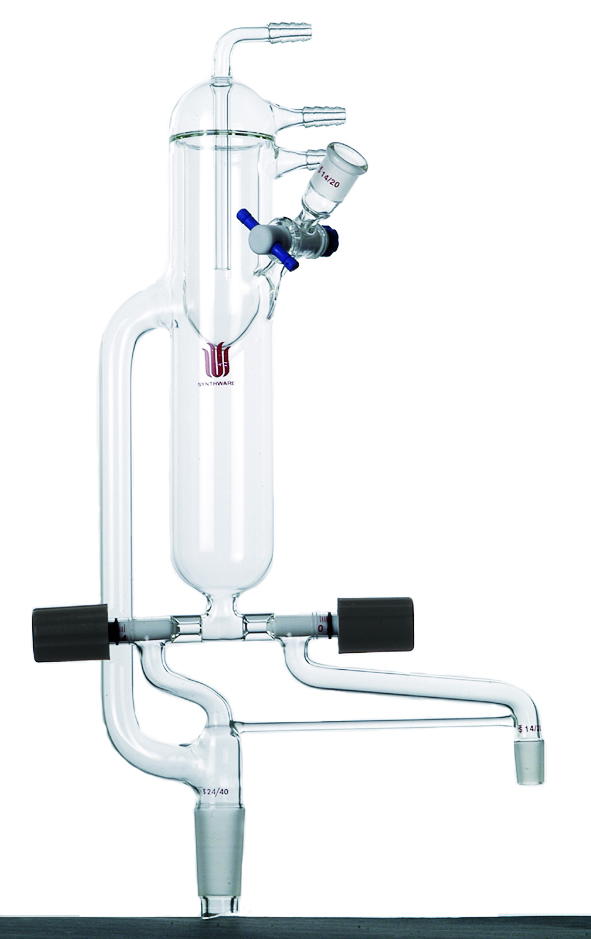 MachinesBüchi Rotovapor RE 111 · shipping quoted on enquiry
How it works
From a closing lab to your bench
- We acquire itCompanies and individuals winding down, moving premises or changing methods sell us their surplus apparatus. Every batch is recorded against its source.
- We inspect itEach piece is examined visually for cracks, chips, star fractures, deep scratches and etching. Anything that does not look structurally sound is rejected rather than listed.
- We refurbish or part it outServiceable pieces are cleaned and listed. Items that fail inspection are stripped for parts that can be reused — stoppers, stopcock plugs, clips.
- We state the originEvery listing names where the batch came from, so you know what kind of laboratory the glass has been through.
Condition and safe use — read this
Second-hand glassware has been used in a laboratory before, so cosmetic wear is normal: scratches, cloudiness in the grind, faded graduations.
We inspect visually and reject what does not look sound, but we do not chemically analyse residues from previous use. Second-hand glassware is neither sterile nor food-safe. Do not use it for anything intended for consumption.
Treat it as you would any glassware of unknown history: clean it before first use, inspect it yourself before applying vacuum or heat, and decide whether it suits your application. By purchasing, you accept responsibility for how the item is used.
Cleaning it before first use. Our care and cleaning guide covers what to use on which residue, and what to check before you trust a piece under vacuum. Worth ten minutes before the first run.
Good to know
Common questions
How much cheaper is it than new?
Substantially. A 100 ml round bottom flask starts at €9, a 160 mm Liebig condenser at €20, a glass stopper at €5. For teaching, method development or anyone working to a budget, it is often the difference between having the apparatus and not.
Is the glass borosilicate?
The pieces we list are laboratory glassware from working labs, and the named makers in the current stock — Duran and Werner Glas among them — are borosilicate. Where a maker is identified it is stated on the product page. If the specific composition matters for your application, ask us before ordering and we will tell you what we know about that batch.
What if it arrives damaged?
Damage in transit is a different matter from cosmetic wear, and is covered by our normal delivery terms. INSERT THIS — your breakage policy: reporting window, whether photographs are needed, and how replacements or refunds are handled for second-hand items specifically, given each one is unique and may not be replaceable.
Can I return it if it is not what I expected?
INSERT THIS — whether second-hand items can be returned, and on what terms. Many sellers treat used goods differently from new; say clearly which applies here.
Do you buy used glassware?
We acquire surplus laboratory glassware and equipment on an ongoing basis. If your laboratory is closing, consolidating or replacing apparatus, get in touch with a list or photographs of what you have.
Why is there no photograph on some listings?
Photographs of the current second-hand stock are being re-shot. Each listing describes the item, its size, joint sizes and condition in full; if you would like to see a particular piece before ordering, ask and we will send photographs.
Looking for something specific?
Stock turns over. Tell us what you are after and we will let you know when it comes in — or point you at the new Synthware equivalent.